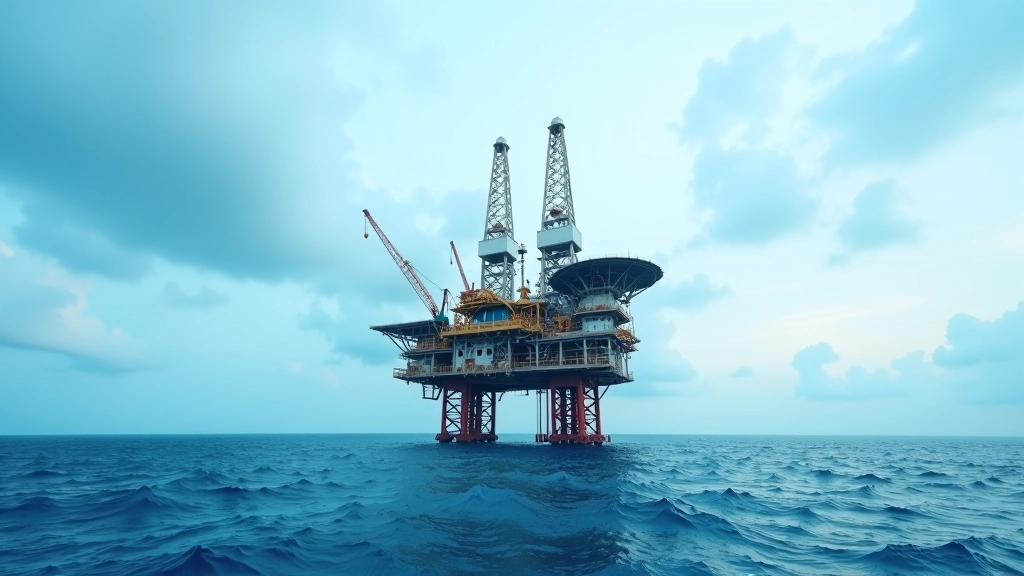
Petronas Revenue Trends and National Impact
How Petronas generates government revenue and shapes Malaysia’s fiscal position in an era of energy transition.
Read MoreMalaysia set ambitious renewable energy goals for 2030. We’re tracking the progress on solar and wind deployment, the hurdles that remain, and what it’ll take to hit these targets.
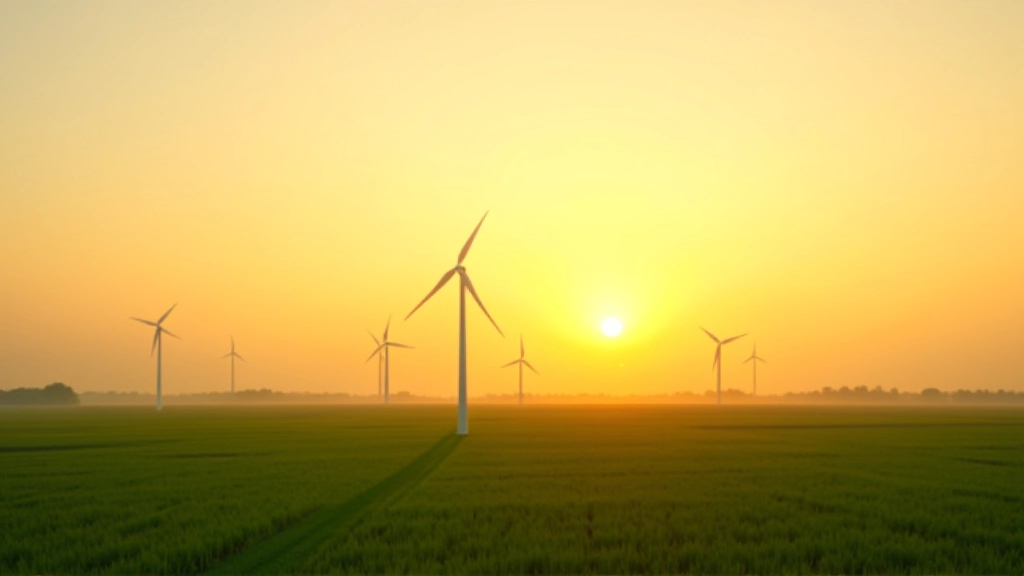
It’s a pivotal moment for Malaysia’s energy sector. The country committed to generating 31% of electricity from renewable sources by 2030, up from around 21% today. That’s not just a number on paper — it represents a significant shift in how the nation generates power.
The pathway is clear, but the execution is complex. Solar panels are going up faster than ever. Wind projects are being planned along the coast. Battery storage is becoming more affordable. Yet challenges remain — grid infrastructure needs upgrades, land availability for solar farms is limited, and the transition timeline is tight.
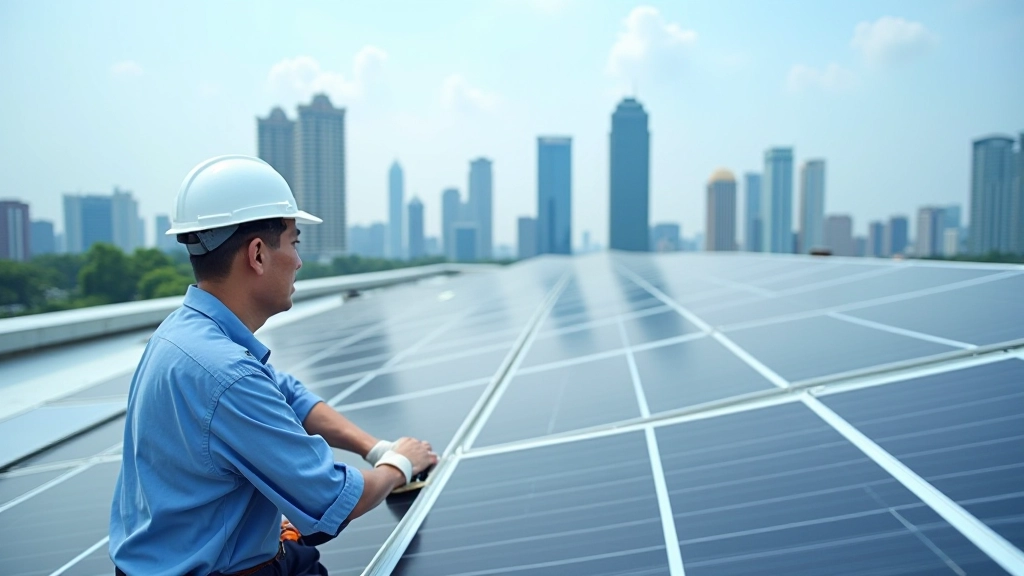
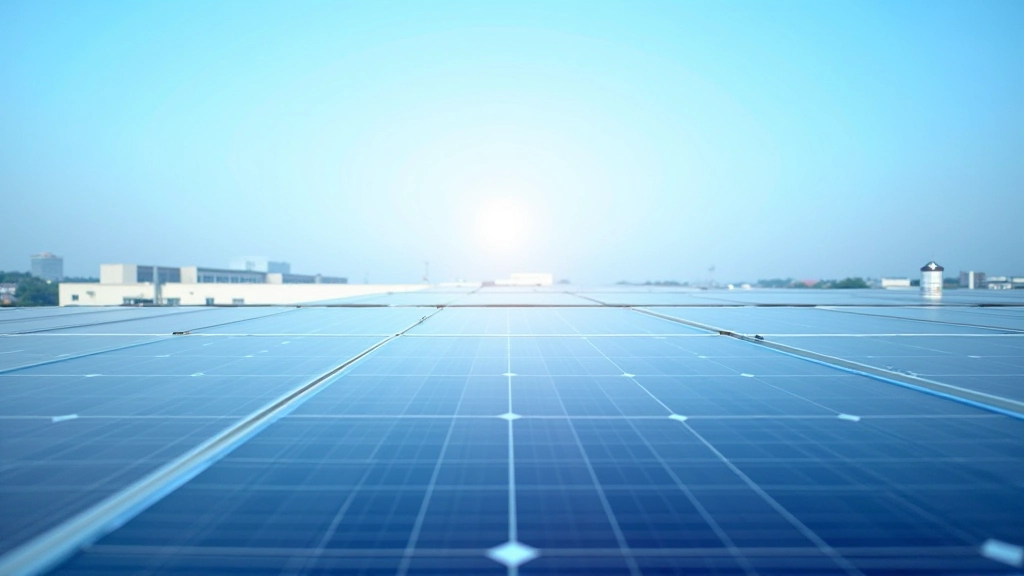
The numbers tell an encouraging story. Solar capacity has doubled in the past three years. Utility-scale projects like Sungai Semenyih and Kerteh are now operational, pumping megawatts into the grid. The feed-in tariff system has attracted private investment, and rooftop solar adoption among businesses is accelerating.
But here’s the thing — we’re still early. Current renewable capacity sits around 5 gigawatts. To hit the 2030 target, Malaysia needs roughly 18-20 GW. That’s a massive expansion in just four years. We’re talking about deploying more solar capacity in the next few years than was installed in the entire previous decade.
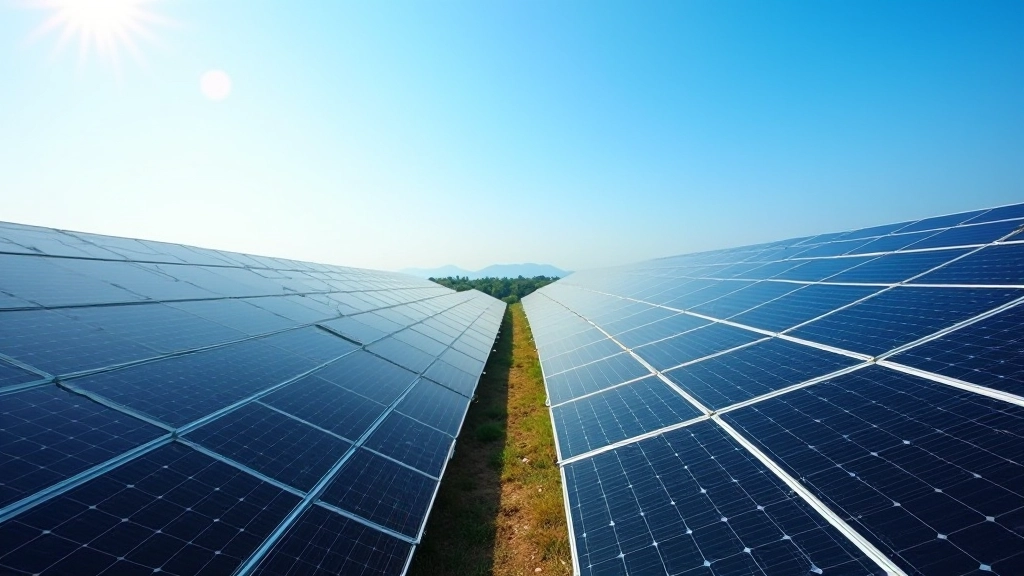
The existing transmission network wasn’t designed for distributed renewable generation. Grid modernization is expensive and time-consuming. Upgrades to handle variable renewable output — especially from solar — require substantial investment in smart grid technology.
Large-scale solar farms require significant land. In a densely populated country, finding suitable locations that don’t compete with agriculture or conservation areas is tricky. Floating solar on reservoirs helps, but capacity is limited.
Solar doesn’t generate power at night. Battery storage is improving, but it’s still expensive. We need 4-6 hours of storage capacity to smooth out daily variations. That’s a multi-billion dollar infrastructure challenge.
Coal and natural gas still dominate Malaysia’s power mix. Retiring aging power plants early carries financial costs. Workers in fossil fuel industries need retraining and support. The social aspect of energy transition isn’t simple.
Building 13-15 GW of new renewable capacity costs tens of billions. Financing these projects while maintaining grid reliability requires careful planning and sustained investment from both public and private sectors.
Solar output varies with cloud cover and season. Wind patterns aren’t constant. Predicting renewable generation becomes crucial for grid operators. Forecasting technology is improving, but uncertainty remains.
Malaysia’s energy sector doesn’t need to choose between reliability and renewables. It needs both. The strategy involves diversification — solar dominates right now, but wind energy along coastal regions can complement solar generation. Hydropower from Sarawak provides baseload capacity. Natural gas will bridge the gap during the transition.
Battery storage technology is getting cheaper every year. Lithium-ion costs have dropped 90% in the past decade. As costs continue falling, storage becomes more viable for grid-scale applications. We’re also seeing pilot projects with different storage technologies — compressed air, thermal storage, and even hydrogen.
The timeline is ambitious but achievable if implementation keeps pace with planning. Private sector participation through competitive bidding has helped drive down solar costs. The government’s commitment to policy stability — maintaining feed-in tariffs and renewable energy targets — gives investors confidence.

Hitting the 2030 renewable energy target isn’t just about environmental goals — it’s economically smart. Renewable energy has no fuel costs. Once solar panels and wind turbines are installed, generation is essentially free. That protects Malaysia from volatile oil and gas prices.
By 2030, we should see a power system where renewables provide nearly a third of electricity. Solar farms will be visible across the peninsula. Offshore wind projects will be operational. Battery storage facilities will be integrated with the grid. Energy efficiency improvements in buildings and industry will reduce demand growth.
The transition creates opportunities too. New jobs in solar installation, maintenance, and grid modernization. Opportunities for Malaysian companies to develop expertise in renewable energy technology. A cleaner energy system means better air quality and health outcomes.
“The challenge isn’t whether we can transition to renewables — the technology works and it’s getting cheaper. The challenge is doing it fast enough while keeping the lights on and managing the transition fairly for everyone.”
This article provides educational information about Malaysia’s renewable energy targets and the energy transition landscape. Information is based on publicly available government reports, industry data, and energy sector analysis current as of March 2026. Renewable energy policy, technology costs, and capacity targets are subject to change. For specific investment decisions or policy matters, we recommend consulting with energy industry specialists, financial advisors, or official government sources like the Energy Commission Malaysia. This content is informational and should not be construed as financial, investment, or policy advice.