
Understanding Malaysia’s Energy Economy
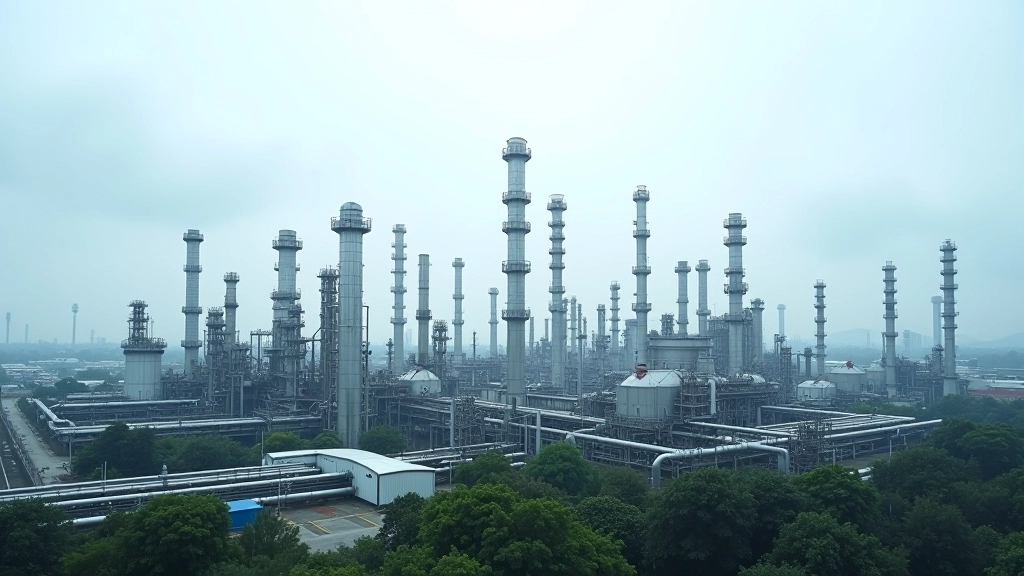
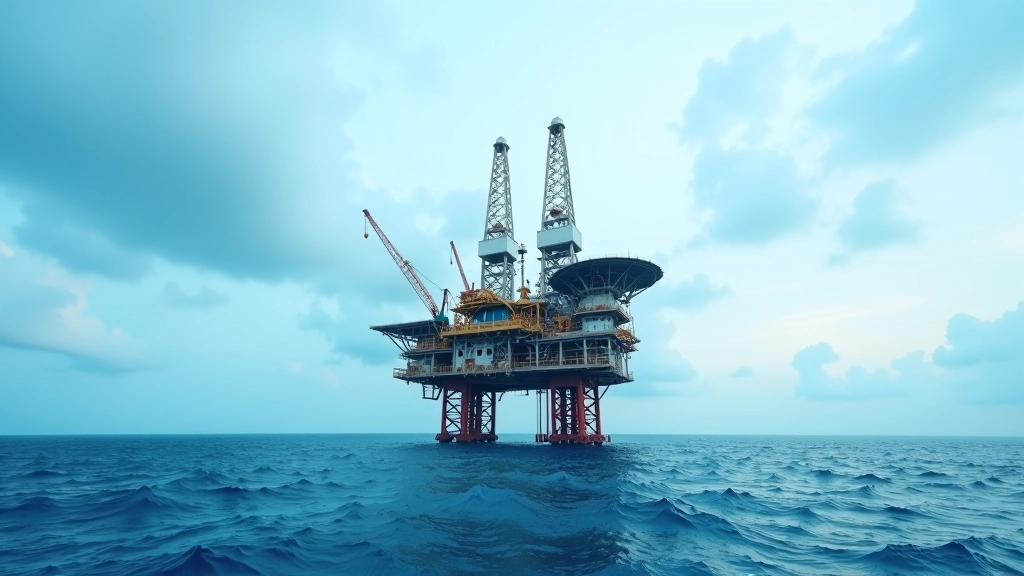
Malaysia’s energy sector isn’t static — it’s evolving rapidly. Petronas has been the backbone of the economy for decades, but declining oil reserves and global energy shifts are forcing a reckoning. The country can’t rely on hydrocarbons forever, so policymakers are pushing renewable energy adoption while managing the economic transition.
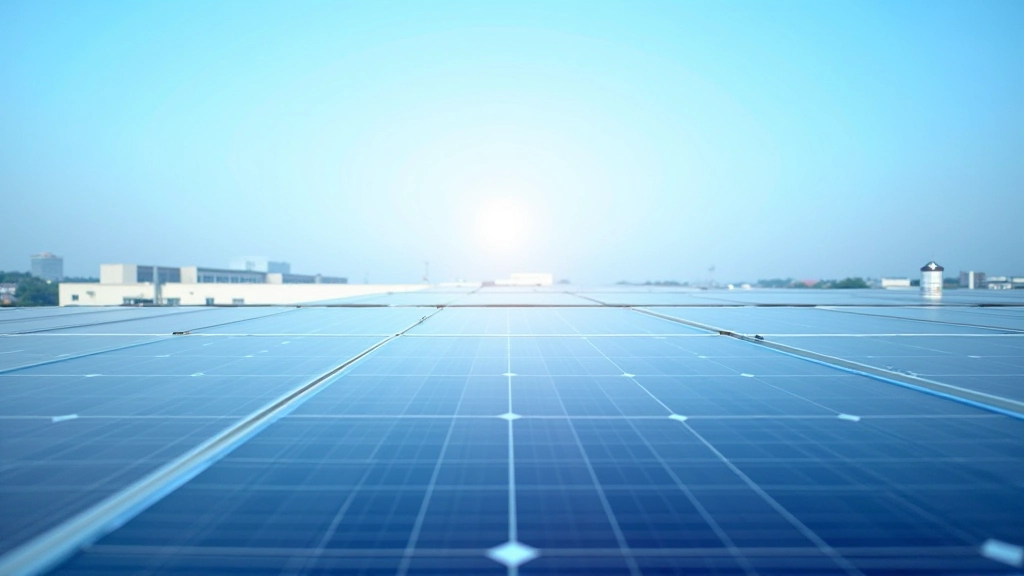
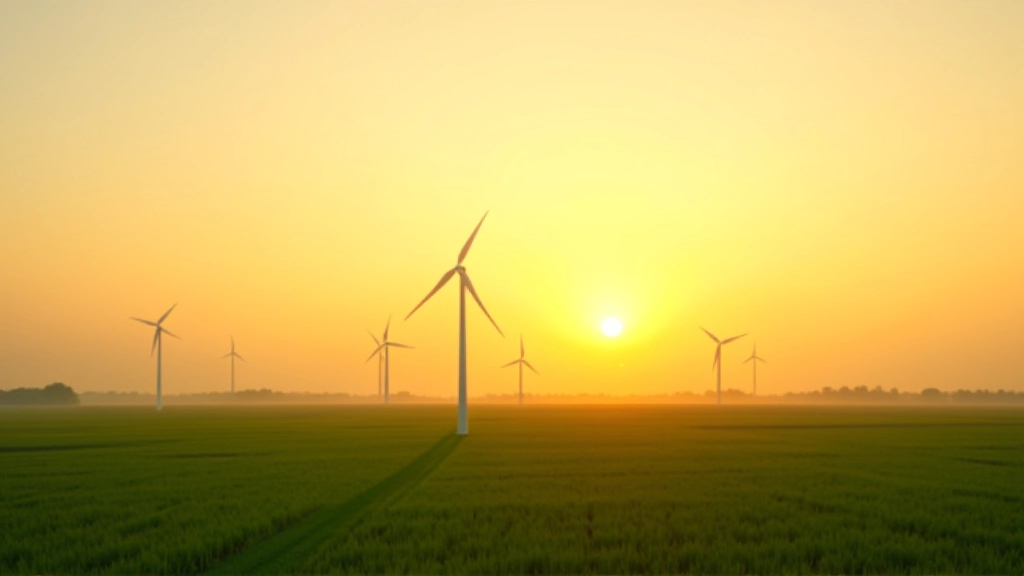
The numbers tell the story. Oil and gas production peaked years ago, and recent years have seen gradual decline. Yet Petronas remains enormously profitable and contributes significantly to government budgets. At the same time, Malaysia’s energy demand keeps growing. Solar installations are expanding, wind farms are being planned, and the grid is getting smarter. But there’s tension between short-term revenue needs and long-term sustainability.
What makes Malaysia’s situation unique is its position as both a major energy exporter and an energy-dependent nation. It’s not like wealthy Gulf states that can diversify freely — Malaysia needs to balance petroleum revenues with diversification. The energy transition roadmap represents this tension: ambitious renewable targets while maintaining oil and gas operations. Understanding this dynamic is crucial for anyone interested in Southeast Asian economics, energy markets, or global energy transition patterns.