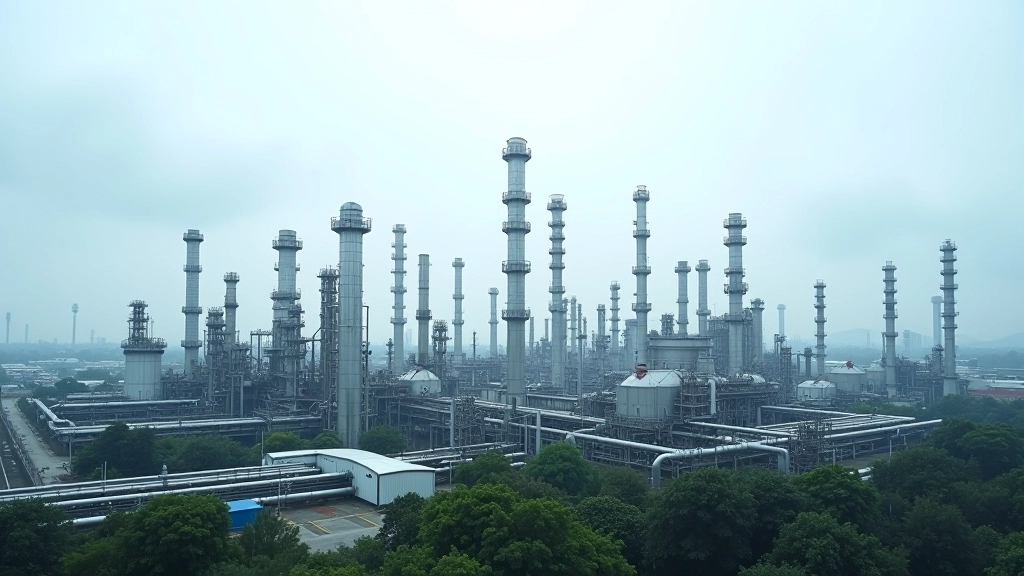
Malaysia’s Energy Transition Roadmap
The official energy transition plan aims to reduce fossil fuel dependence. Here’s what the roadmap says and how realistic the targets are.
Understanding the Shift
Malaysia’s energy sector sits at a crossroads. For decades, the country’s economy has relied on oil and gas exports through Petronas, which contributed significantly to government revenue. But the global energy landscape is changing, and Malaysia’s leadership recognizes that transformation isn’t optional anymore.
The energy transition roadmap, formally launched in recent years, outlines how Malaysia plans to reduce its dependency on fossil fuels while maintaining economic stability. It’s not about abandoning what’s worked — it’s about evolving strategically. We’ve looked at the targets, the timeline, and what it actually means for the country’s energy future.
The Roadmap’s Core Targets
Malaysia’s transition plan sets specific renewable energy targets. By 2030, the country aims for 31% of electricity generation to come from renewable sources. That’s a significant jump from current levels, which sit around 25% when you include hydropower.
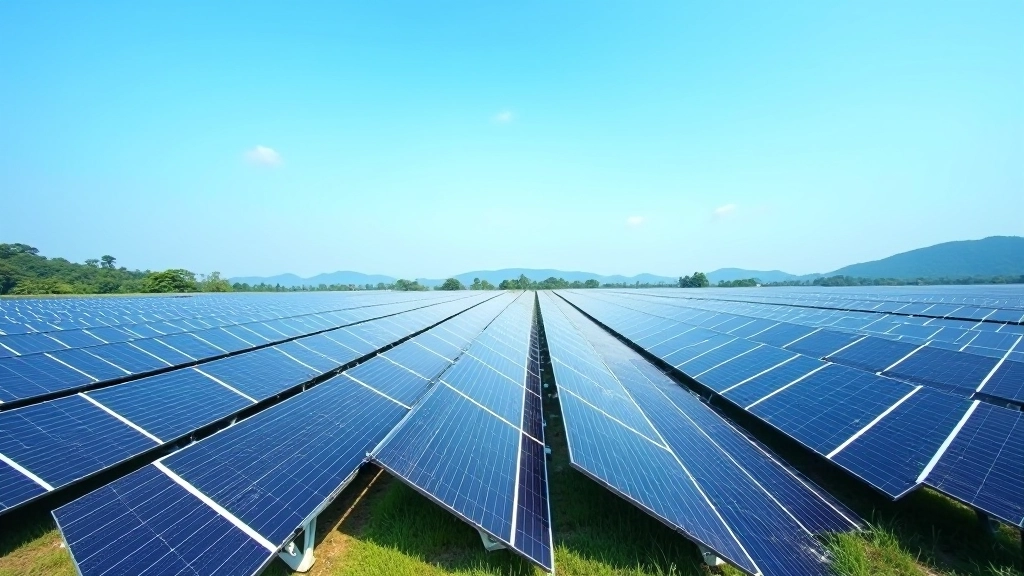
Solar power is the main focus — Malaysia gets abundant sunshine year-round, which makes solar installations genuinely practical. The roadmap pushes for rooftop solar programs, utility-scale solar farms, and distributed generation systems. Wind energy plays a smaller role because of geography, but it’s still part of the strategy.
Key fact: Petronas remains important to Malaysia’s fiscal position, but the roadmap doesn’t ignore energy security — it diversifies the portfolio to reduce vulnerability to oil price swings.
Petronas and the Revenue Challenge
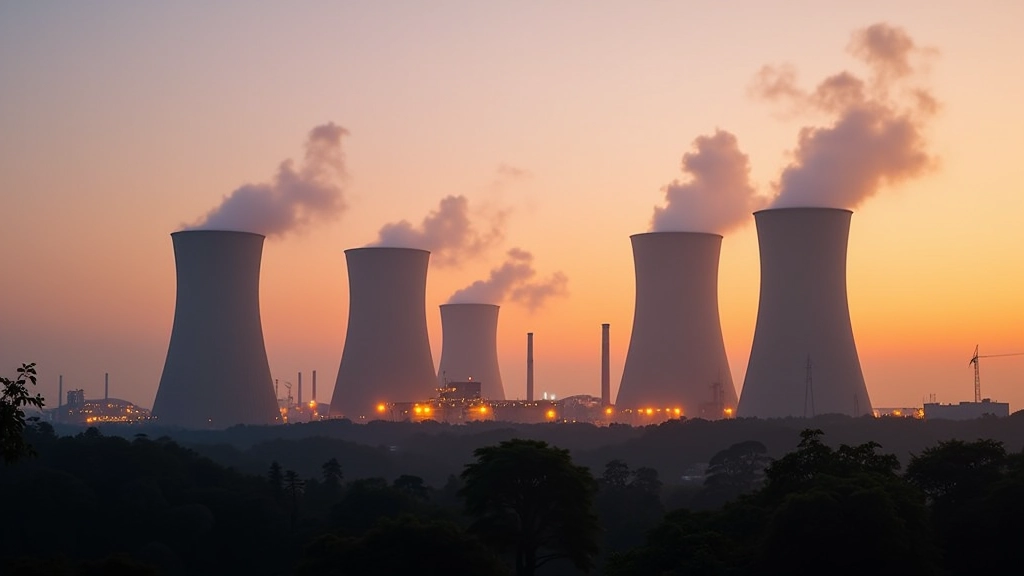
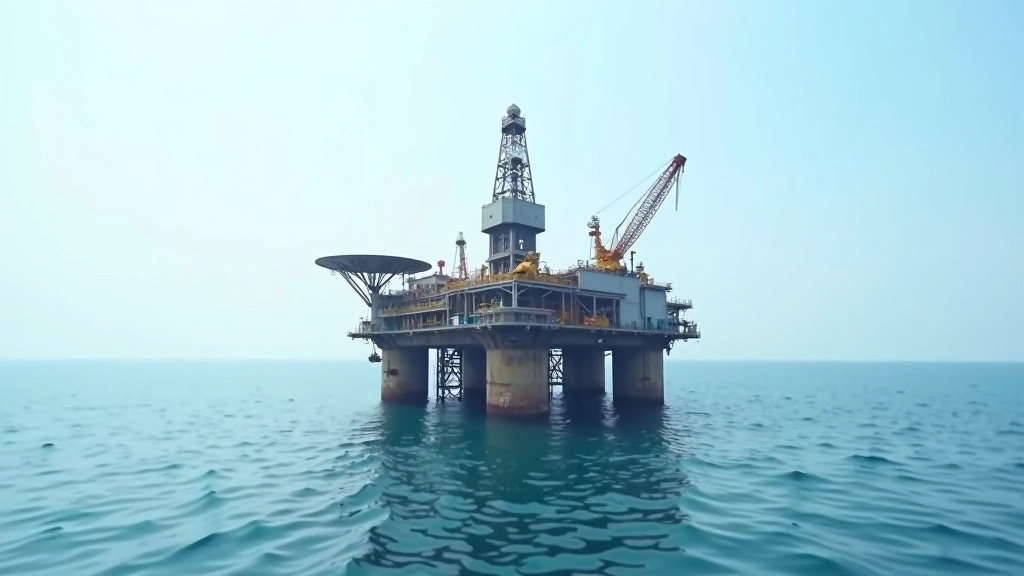
Petronas isn’t disappearing from Malaysia’s energy story — but its role is evolving. Oil and gas production still generates substantial government revenue, especially when global prices are favorable. The challenge is that fossil fuel revenues are volatile. When prices drop, government budgets feel the impact immediately.
The transition roadmap addresses this by building renewable capacity now, before energy demand outpaces supply. It’s not about replacing Petronas overnight. Instead, it’s about creating a more resilient energy portfolio. Petronas itself is investing in renewable projects, positioning the company for the long term while maintaining oil and gas operations that’ll likely continue for decades.
- Oil and gas exports remain a revenue pillar through 2030 and beyond
- Renewable energy reduces exposure to commodity price volatility
- Petronas is diversifying into renewable energy projects
Current Progress and Reality Check
We’re now in 2026, and Malaysia’s made genuine progress. Solar installations have grown. Utility-scale projects are coming online. But reaching 31% renewable energy by 2030 requires acceleration. Current growth rates suggest Malaysia’s on track, though execution challenges exist.
Grid infrastructure needs upgrading to handle distributed solar generation. Energy storage — batteries to smooth out solar’s intermittency — remains expensive. Land availability for utility-scale projects isn’t unlimited. These aren’t deal-breakers, but they’re real constraints that the roadmap acknowledges.
What’s realistic? Malaysia will likely hit 28-30% renewable energy by 2030 if current policies hold. That’s not the original 31% target, but it’s still transformative. Beyond 2030, the targets get more ambitious — reaching 40% by 2035. Those timelines are achievable but require sustained investment and political commitment.

The Real Challenges
Ambitious targets meet practical constraints
Infrastructure Investment
Upgrading the electrical grid to handle variable renewable generation requires billions in capital. Battery storage systems remain costly, though prices are dropping annually.
Industrial Competitiveness
Energy-intensive industries like petrochemicals and aluminum smelting need stable, affordable power. Renewable energy helps, but transition costs impact competitiveness short-term.
Employment Transition
Fossil fuel sectors employ thousands directly and indirectly. The roadmap includes workforce development, but retraining and job creation require careful planning.
Regional Inequality
Urban areas benefit first from renewable infrastructure. Rural regions need specific attention to ensure equitable energy access and economic development.
What It Means for Malaysia’s Future
Malaysia’s energy transition roadmap isn’t perfect, but it’s realistic. The targets are ambitious without being reckless. The timeline accounts for practical constraints while pushing for genuine progress. By 2030, we’ll see a Malaysia where renewable energy plays a major role, but fossil fuels still contribute meaningfully — and that’s actually okay.
What matters most is consistency. Renewable energy investments compound over time. Solar installations get cheaper. Battery technology improves. Grid infrastructure strengthens. The roadmap gives Malaysia a framework to manage this evolution strategically rather than scrambling reactively.
Petronas remains important to the economy, but the roadmap recognizes that diversification strengthens rather than weakens Malaysia’s energy security. That’s the real insight here — it’s not about choosing between oil and renewables. It’s about building a resilient system that captures the benefits of both while managing the risks of neither.
“The transition isn’t about abandoning what works. It’s about evolving strategically to create a more stable, diversified energy future.”
Disclaimer
This article presents educational information about Malaysia’s energy transition roadmap and related energy sector developments. The analysis reflects publicly available data and official government announcements as of March 2026. Specific figures, timelines, and projections are based on official roadmap documents and energy sector reports. Individual circumstances and market conditions vary, so consult official government sources and energy sector experts for specific policy guidance or investment decisions. This content is informational and not intended as financial, energy, or policy advice.