Oil and Gas Production Trends in Malaysia
Malaysia’s oil and gas output is shifting. We’re looking at production volumes, deepwater exploration efforts, and how Petronas is adapting to mature oil fields.
Read MoreHow Malaysia’s national oil company generates government revenue and shapes the country’s fiscal position through oil and gas operations.
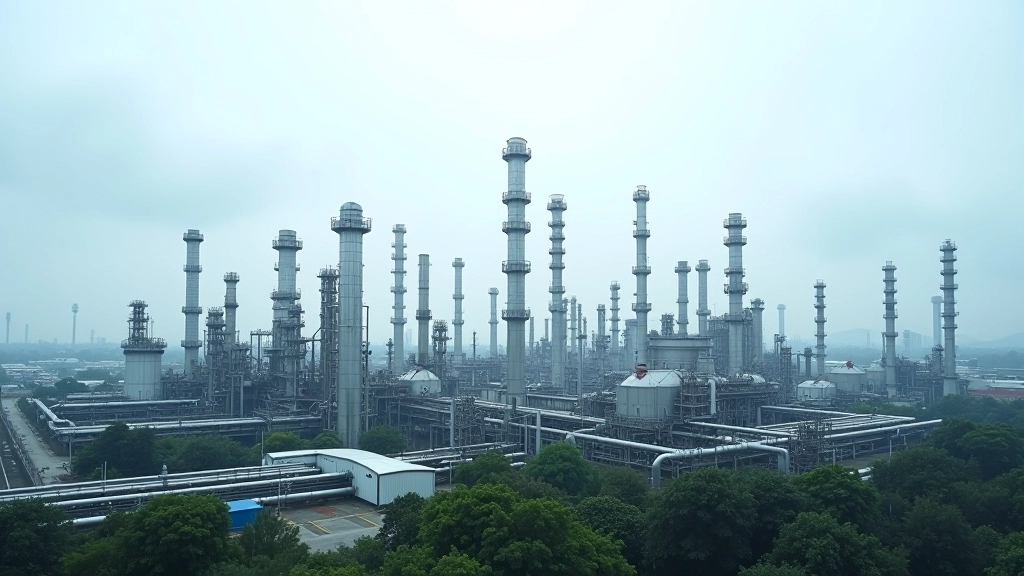
Petronas, short for Petroliam Nasional Berhad, isn’t just another energy company. It’s the backbone of Malaysia’s government revenue and a key player in the Southeast Asian energy landscape. Since its establishment in 1974, Petronas has grown from a domestic operator into an international oil and gas powerhouse with operations across multiple continents.
The company’s financial contributions directly support Malaysia’s development projects, education systems, and infrastructure. But here’s what’s interesting — Petronas is navigating a complex transition. While maintaining profitable oil and gas operations, it’s simultaneously investing heavily in renewable energy and energy transition initiatives. This dual focus creates both opportunities and challenges for Malaysia’s energy future.

Petronas’s revenue streams aren’t as straightforward as you might think. The company doesn’t just pump oil and cash checks. It’s involved in exploration, production, refining, marketing, and increasingly, renewable energy development. In recent years, revenue has fluctuated significantly based on global oil prices and production volumes.
The company generates revenue through three main channels: upstream (exploration and production), downstream (refining and marketing), and international operations. Upstream operations remain the largest contributor, though they’re more volatile due to crude oil price swings. In 2025, global oil prices ranged between $70-90 per barrel, directly impacting Petronas’s annual revenue. A $10 change in crude prices can mean hundreds of millions in revenue difference.
What’s changed significantly is the government’s revenue share. Petronas pays royalties, taxes, and dividends to the government. These payments have increased as the company’s profitability improved, creating a stronger fiscal position for Malaysia. The government’s take from oil and gas operations supports everything from healthcare to defense spending.

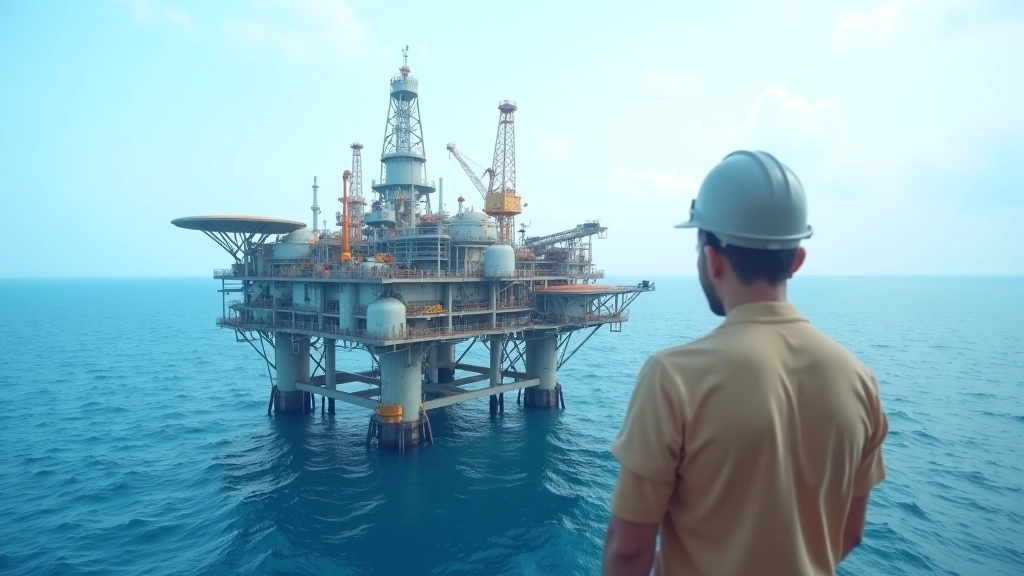
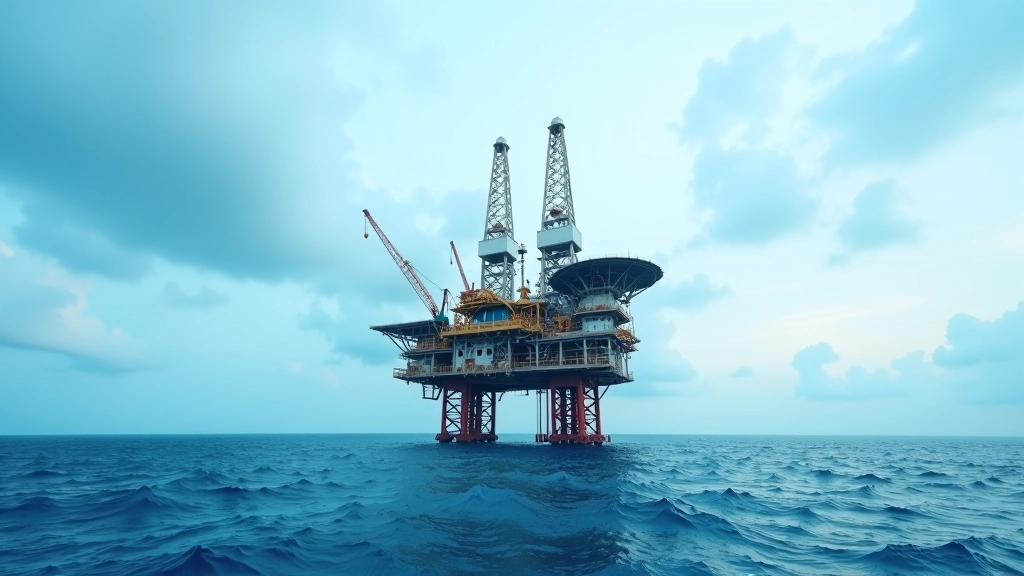
Malaysia’s oil and gas production has been declining gradually over the past decade. This isn’t unusual for mature oil fields — they simply become less productive over time. Petronas is responding by exploring new deepwater fields and investing in enhanced recovery techniques. These efforts require significant capital investment, but they’re essential for maintaining production levels.
Natural gas production tells a different story. Malaysia is one of the world’s largest liquefied natural gas (LNG) exporters. The Petronas LNG terminals in Sarawak handle multiple export operations. This segment’s been more stable than crude oil, though global gas prices have also become more volatile. LNG exports remain crucial to Malaysia’s energy export revenue, generating substantial foreign exchange earnings.
The company operates across multiple regions. Domestic production comes from the Straits of Malacca and Sarawak, while international operations span the Middle East, Africa, and other regions. This geographic diversification reduces risk — if one region underperforms, others can compensate.
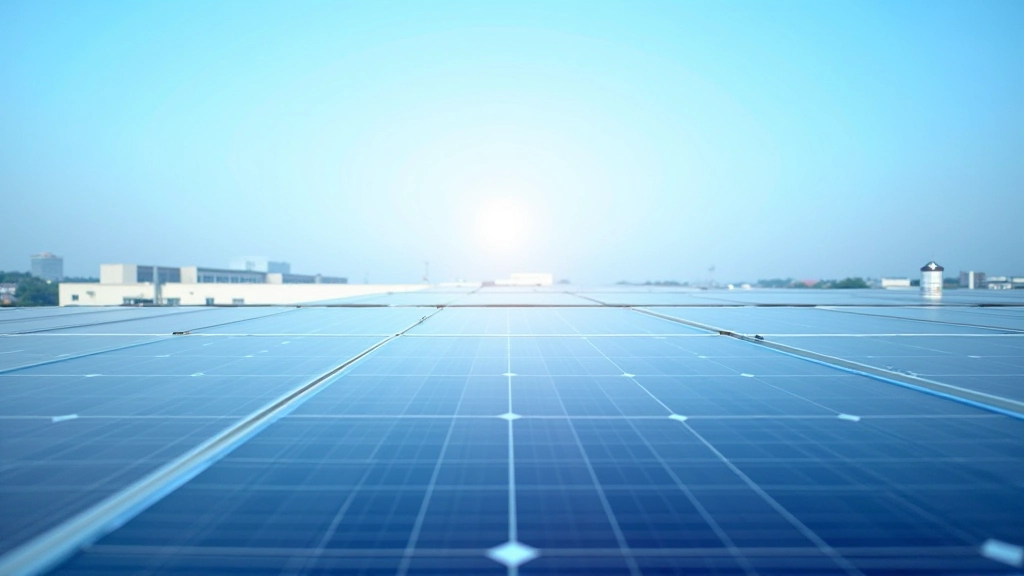
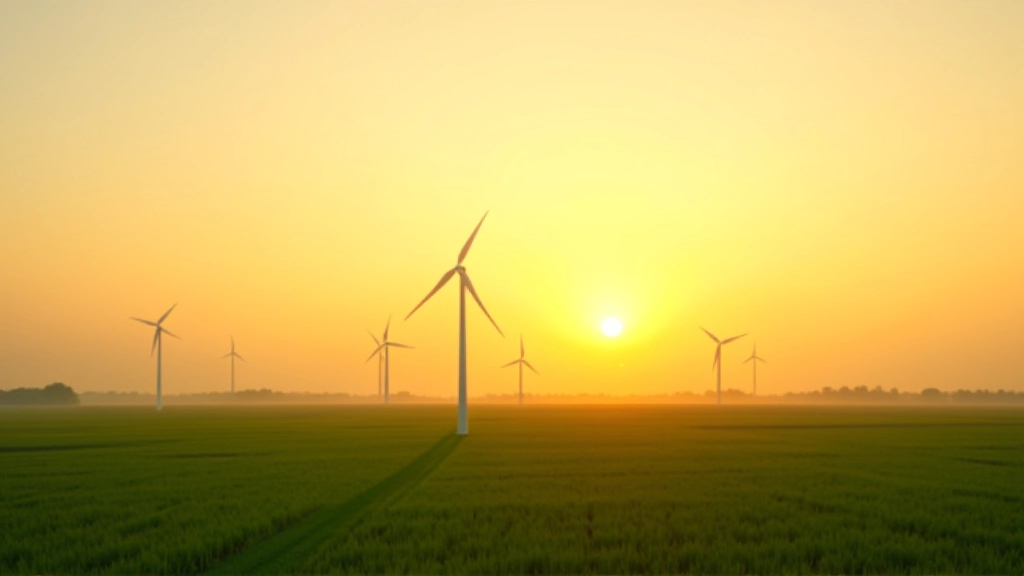
Here’s where things get really interesting. Malaysia’s government committed to achieving net-zero emissions by 2050, and Petronas is central to that strategy. The company’s investing in solar, wind, and carbon capture technologies. But this creates a fundamental challenge: renewable projects don’t generate the same immediate revenue as oil and gas operations.
Petronas’s renewable energy capacity is growing, though still small compared to fossil fuel operations. The company’s targeting about 10-12 gigawatts of renewable capacity by 2030. That sounds ambitious until you realize Petronas’s traditional operations have generated much higher returns. This transition period requires careful financial management — they’re essentially funding two business models simultaneously.
The government’s renewable energy targets are aggressive. Malaysia aims to reach 31% renewable energy in the electricity mix by 2025, increasing to 50% by 2050. Petronas’s role in this transition is crucial, but success depends on continued oil and gas revenue to fund these green investments. It’s a delicate balance that’ll define Petronas’s future.
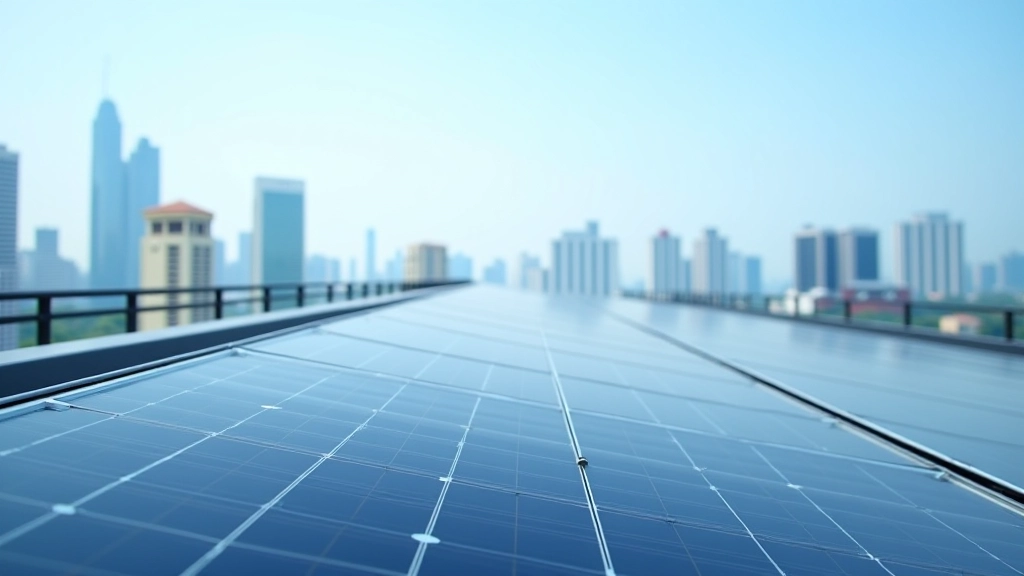
Petronas contributes billions annually to Malaysia’s federal budget through taxes, royalties, and dividends. These funds support public services, development projects, and infrastructure investment. The company’s revenue contributions are critical to Malaysia’s fiscal stability.
Petronas directly employs over 40,000 people across Malaysia and internationally. Beyond direct employment, the company supports tens of thousands of indirect jobs through contractors, suppliers, and service providers throughout the energy sector.
Oil and gas exports generate substantial foreign exchange for Malaysia. These earnings support the country’s balance of payments, strengthen the ringgit’s position, and fund international trade activities that benefit the broader economy.
Petronas’s investments in renewable energy and new technologies are positioning Malaysia as a player in the global clean energy transition. These initiatives create opportunities for economic diversification beyond traditional fossil fuels.
Petronas faces significant headwinds. Global demand for fossil fuels is shifting as countries pursue decarbonization. Major economies are setting timelines for phasing out coal and reducing oil consumption. This isn’t a problem that’ll disappear in a year or two — it’s a multi-decade transition that’ll reshape the entire energy industry.
The company’s adapting by investing in hydrogen, carbon capture and storage (CCS), and biofuels. These technologies could create new revenue streams while supporting climate goals. But they’re expensive to develop and require sustained investment before generating meaningful returns. It’s a long-term bet that demands patience and capital.
Malaysia’s fiscal dependency on oil and gas revenue is another consideration. While the government’s working to diversify the economy, oil and gas still represent a significant portion of export revenue and government income. This creates urgency around managing the transition effectively — too fast and you risk economic disruption, too slow and you fall behind in the global energy shift.

Petronas’s revenue trends and financial contributions are central to Malaysia’s economic stability and development. The company generates substantial government revenue, creates employment, and drives export earnings. But it’s also navigating one of the energy sector’s most significant transitions.
The next decade will be critical. Petronas’s success in balancing profitable traditional operations with investments in renewable energy will determine Malaysia’s energy security and economic resilience. It’s not about choosing between oil and renewables — it’s about managing a sophisticated transition that maintains economic stability while preparing for a lower-carbon future.
Understanding Petronas’s revenue trends helps explain Malaysia’s economic position and the country’s strategic priorities. The company’s decisions today — about capital investment, technology development, and operational focus — will shape Malaysia’s energy landscape and fiscal health for decades to come.
This article is provided for informational and educational purposes only. It’s not investment advice, financial guidance, or a substitute for professional consultation. The data and figures presented represent general information about Petronas and Malaysia’s energy sector based on publicly available sources. Oil and gas markets are complex and volatile — circumstances change rapidly and actual figures may differ from historical trends. For specific financial decisions or investment considerations, consult qualified financial advisors. We’ve made every effort to ensure accuracy, but energy sector information evolves constantly and this content reflects the situation as of March 2026.