
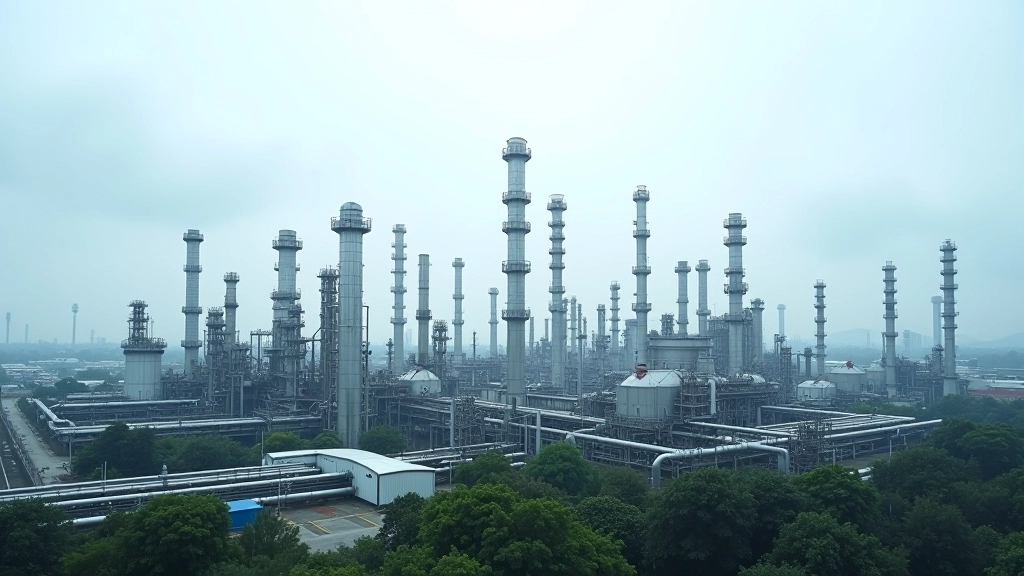
Petronas Revenue Trends and National Impact
How Petronas generates government revenue and shapes Malaysia’s fiscal position.
Read MoreMalaysia’s oil and gas output is shifting. We’re looking at production volumes, reserves, and what declining output means for the economy.

Malaysia’s energy landscape is at a critical juncture. Oil and gas production has been the backbone of the nation’s economy for decades, but the numbers tell a complex story. Production peaked around 2004, and since then it’s been a gradual decline. That doesn’t mean the industry is disappearing — far from it. What’s happening is a recalibration.
Petronas, the national petroleum company, still generates significant revenue for the government. But the reality is straightforward: fewer barrels are coming out of the ground each year. This shift is pushing Malaysia to think seriously about energy diversification and renewable sources. The country isn’t abandoning oil and gas — it’s preparing for what comes next.
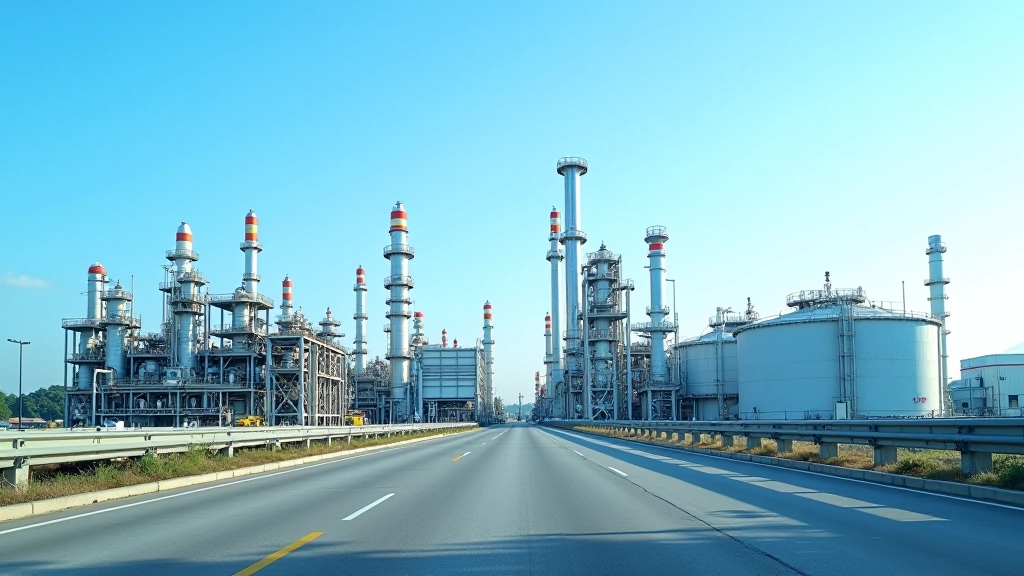
Here’s what the data shows. In 2004, Malaysia was producing around 750,000 barrels of crude oil per day. Today? That’s dropped to roughly 350,000-400,000 barrels daily. That’s a significant change over two decades.
It’s not because the wells suddenly went dry. It’s more nuanced. Aging offshore platforms require increasingly expensive maintenance. Finding and developing new oil fields takes years and billions in investment. Natural decline rates in existing fields are steep — you’re constantly pumping from depleting reserves. Plus, global investment in new oil exploration has cooled as the world shifts toward renewable energy.
Natural gas production tells a different story though. Malaysia’s LNG (liquified natural gas) exports remain competitive globally. The country still ranks among the top LNG producers worldwide. So while crude oil production falls, gas production has held relatively steady — and that’s been crucial for maintaining export revenue and government earnings.

Malaysia’s proven oil reserves sit at around 2.7 billion barrels. At current production rates, that’s roughly 20 years of supply. It sounds like plenty of time, but the industry doesn’t work on those simple calculations. Reserve replacement is critical — companies need to discover new oil to offset production decline and extend that timeline.
For natural gas, the picture is healthier. Proven reserves exceed 20 trillion cubic feet. With stable LNG production and domestic demand, gas resources should sustain for several decades. That’s why energy strategists in Malaysia aren’t panicking about running out of resources. They’re thinking about transition and long-term sustainability instead.
The real challenge isn’t availability — it’s the economics and the politics. New oil field development requires massive capital investment. Environmental concerns are growing. And frankly, the world’s appetite for new oil projects is diminishing as climate considerations reshape global energy policy.
Petronas generates substantial revenue for Malaysia’s government — that’s the fundamental reality. Even with declining production, the company remains profitable and contributes billions to the national budget annually.
Oil and gas exports generate crucial foreign exchange. LNG exports alone bring in several billion dollars annually, supporting Malaysia’s trade balance and currency stability.
Through production sharing contracts and taxation, Petronas transfers a portion of profits to the government. This funding supports infrastructure, education, and social programs nationwide.
Petronas directly employs thousands and supports entire supply chains — engineering firms, logistics companies, equipment manufacturers. The ripple effect across the economy is substantial.
Petronas invests in research and technology development. These efforts advance deepwater drilling, carbon capture, and energy efficiency — capabilities that benefit the broader industry.
The company isn’t just an energy producer — it’s woven into Malaysia’s economic fabric. Understanding its importance helps explain why energy transition planning matters so much. You can’t simply flip a switch away from oil and gas when the revenue dependency is so significant.
Malaysia’s government has laid out an ambitious energy transition plan. The goal? Increase renewable energy capacity to 31% of total energy generation by 2050. That’s a substantial shift from the current 20-25% renewable contribution (including hydroelectric power).
Solar energy is the primary focus. Malaysia sits near the equator with consistent sunlight year-round — ideal conditions for photovoltaic systems. The government is encouraging rooftop solar installations, utility-scale solar farms, and industrial facilities generating their own power. Wind energy potential exists too, particularly in coastal and offshore areas, though it’s less developed than solar programs.
Natural gas plays a transitional role here. It’s cleaner than coal and can be generated quickly to balance renewable fluctuations. So while oil production declines, gas production may remain steady or even grow slightly during this middle phase of the transition.
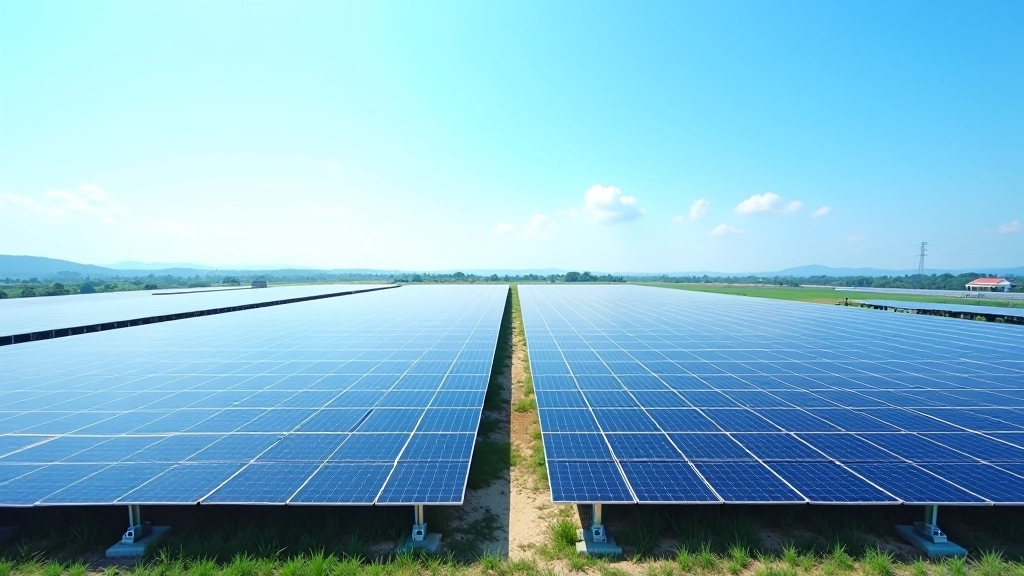

Progress on renewable targets shows real momentum but also realistic challenges. Solar capacity has grown year-over-year, with thousands of installations across residential, commercial, and utility sectors. The Net Energy Metering (NEM) scheme lets customers generate solar power and feed excess back to the grid — that’s accelerated adoption significantly.
Battery storage is emerging as a critical infrastructure need. Solar panels generate power during daylight hours, but demand peaks at different times. Without adequate storage, you need backup power sources (like natural gas plants) ready to kick in when the sun goes down. Malaysia’s investing in battery storage technology, but deployment at scale takes time and capital.
Hydroelectric power already contributes meaningful renewable generation, particularly from dams in Sarawak. But geography limits where new hydroelectric projects can be developed. The expansion pathway forward relies heavily on solar, with wind playing a supporting role. It’s a realistic approach given Malaysia’s tropical climate and geographic constraints.
Malaysia’s energy situation isn’t a simple story of decline or transition. There are genuine tensions to manage.
Oil and gas revenue funds critical government services. Diversifying away too quickly risks fiscal instability. The transition needs to happen alongside revenue replacement — that’s complex planning.
Building out renewable capacity requires massive upfront investment in solar farms, battery storage, and grid modernization. Financing these projects while maintaining existing infrastructure is genuinely difficult.
Integrating intermittent renewables into the power grid demands sophisticated management. You need real-time balancing, demand forecasting, and backup capacity. Malaysia’s grid operators are working on this, but it’s technically demanding.
Solar and battery costs have dropped dramatically, but installation, maintenance, and integration still require skilled workers. Developing that workforce takes years of training and education.
Oil and gas production decline in Malaysia isn’t a crisis — it’s a reality that the country is actively addressing. Production will continue decreasing, that’s essentially certain. But Malaysia’s not passively watching it happen. The government, Petronas, and private energy companies are making deliberate moves toward renewable energy while managing the economic transition.
The 31% renewable target by 2050 is ambitious but achievable if investments continue and technology deployment accelerates. Natural gas will likely play a meaningful role during this transition period, serving as a bridge fuel while solar capacity scales up and storage technology matures.
For anyone watching Malaysia’s energy sector — whether you’re an investor, a policymaker, or just curious about regional energy dynamics — the takeaway is this: the country isn’t abandoning hydrocarbons overnight, but it’s building the infrastructure and capability to operate differently. That’s the pragmatic path forward, and it’s being executed with genuine momentum.
Learn more about Malaysia’s energy sector and future direction
View Related Articles

This article is provided for informational and educational purposes only. The information presented reflects publicly available data and general industry understanding as of March 2026. Energy sector dynamics, production figures, and policy initiatives are subject to change. This content is not financial advice, investment guidance, or professional analysis. For specific decisions regarding energy investments, economic policy, or business strategy, consult with qualified professionals including financial advisors, energy analysts, and policy experts. While we’ve made efforts to ensure accuracy, we don’t guarantee the completeness or timeliness of all information presented.