
PetroTrend Analytics Logo PetroTrend Analytics Contact Us
Contact Us

Energy Sector Economics in Malaysia

Understanding Petronas, oil and gas production, and the shift toward renewable energy

Malaysia’s energy landscape is undergoing significant transformation. From Petronas’ dominant role in national revenue to emerging renewable energy targets, we’re tracking the trends that shape Southeast Asia’s economic future. Explore how oil and gas production drives the economy while the nation charts its path toward sustainable energy transition.

Latest Articles

In-depth analysis and current insights on Malaysia’s energy economy

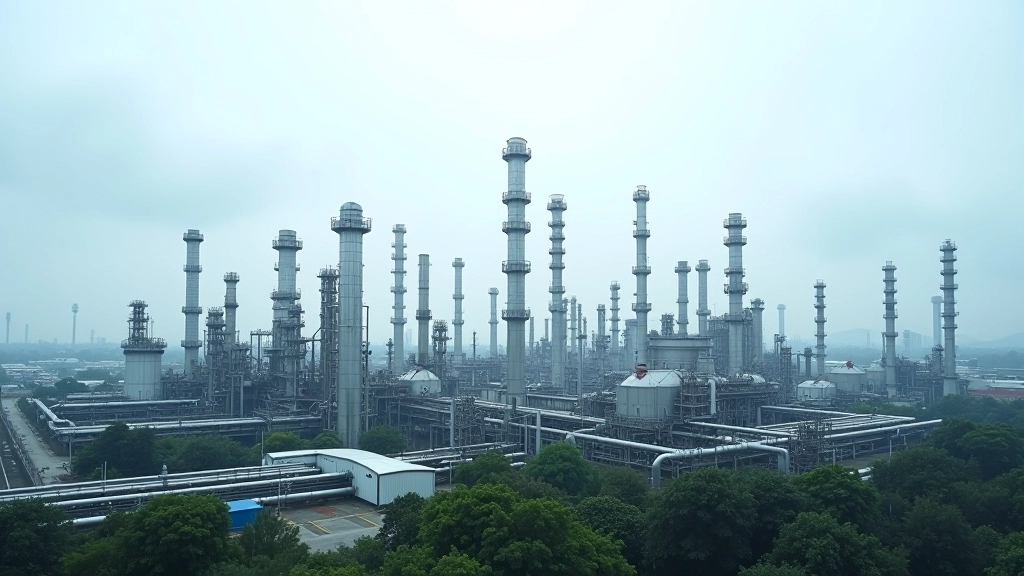
Modern oil refinery with industrial equipment and metal structures against cloudy sky

Petronas Revenue Trends and National Impact

How Petronas generates government revenue and shapes Malaysia’s fiscal position. We’re examining recent production data and financial contributions.

12 min Intermediate March 2026
Read More
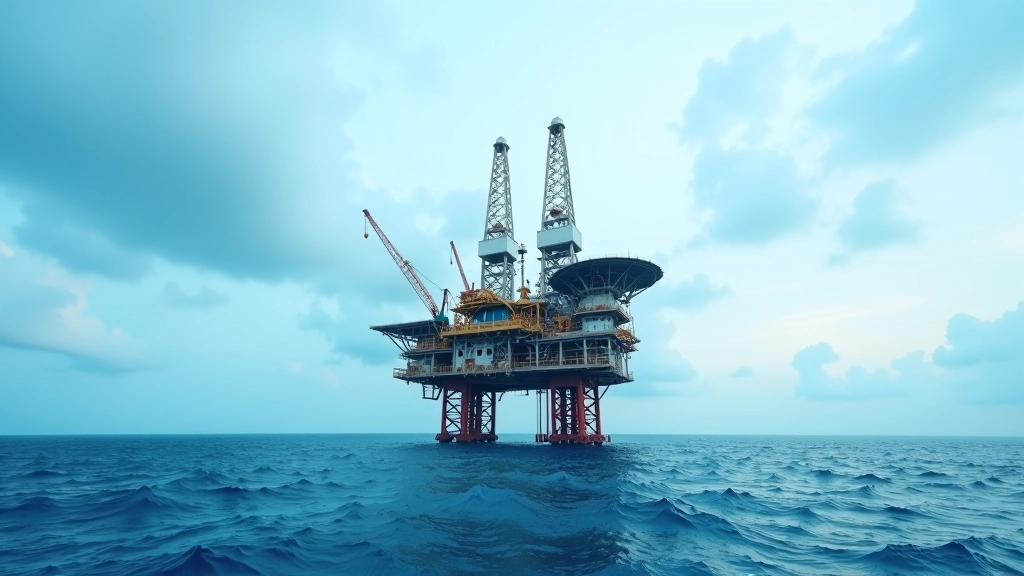
Offshore oil platform in the sea with drilling equipment and worker safety infrastructure visible

Oil and Gas Production Trends in Malaysia

Malaysia’s oil and gas output is shifting. We’re looking at production volumes, reserves, and what declining output means for the economy.

10 min Intermediate March 2026
Read More
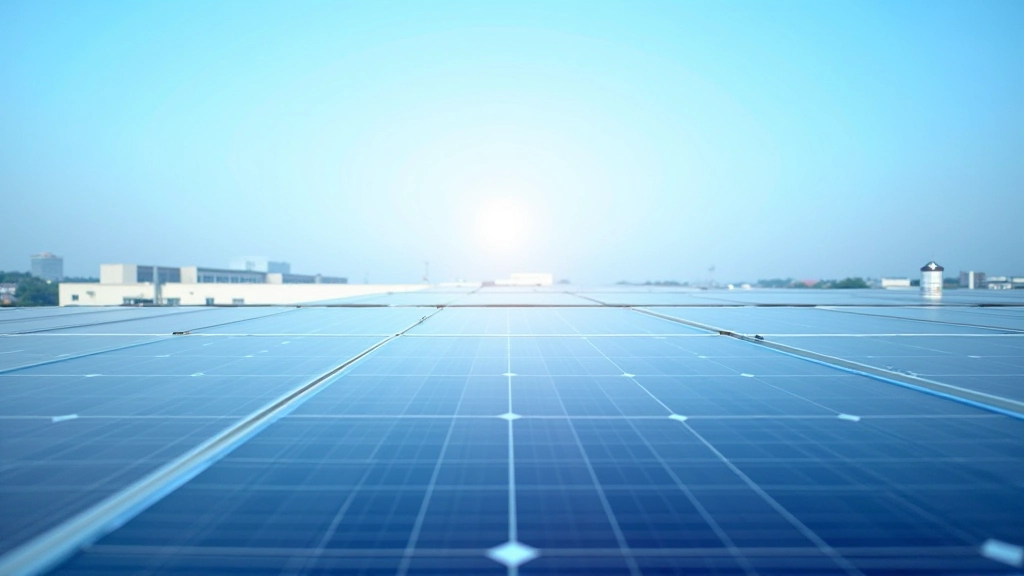
Solar panels on rooftop with clear blue sky in background, showing renewable energy installation

Malaysia’s Energy Transition Roadmap

The official energy transition plan aims to reduce fossil fuel dependence. Here’s what the roadmap says and how realistic the targets are.

11 min Beginner March 2026
Read More
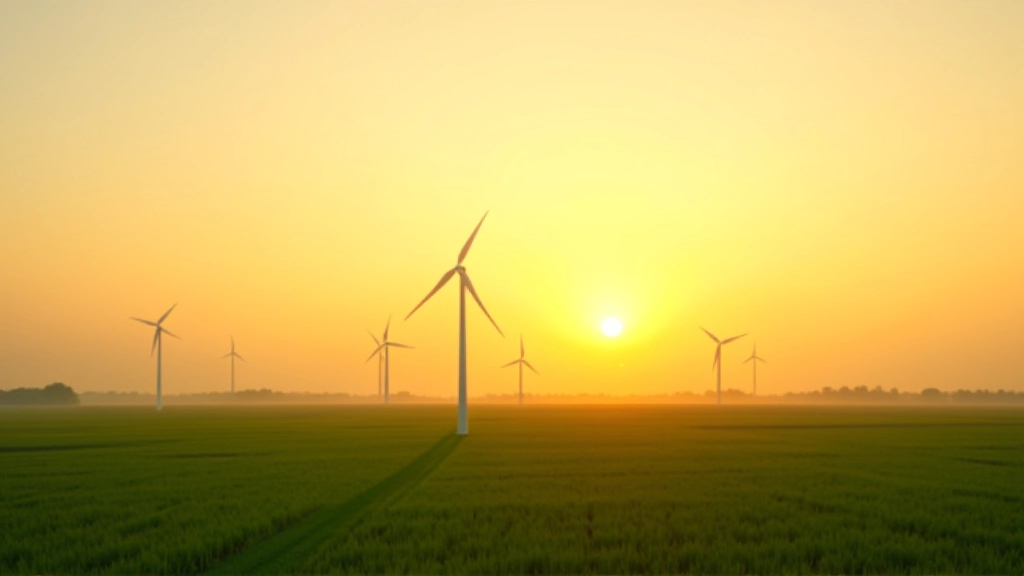
Wind turbines in landscape with green fields and sunset sky in background

Renewable Energy Targets: Progress and Challenges

Malaysia set ambitious renewable energy goals. We’re tracking progress on solar and wind deployment against the 2030 targets.

9 min Beginner March 2026
Read More

Key Economic Insights

40%

Petronas contribution to government revenue — though this percentage is declining as oil production slows

17%

Current renewable energy capacity target for 2025 — Malaysia is working to exceed this baseline

2030

Target year for achieving 40% renewable energy in Malaysia’s energy mix — an ambitious but achievable goal

70%

Energy demand expected to rise by this percentage between now and 2050 — creating urgency for renewable expansion

Understanding Malaysia’s Energy Economy

Malaysia’s energy sector isn’t static — it’s evolving rapidly. Petronas has been the backbone of the economy for decades, but declining oil reserves and global energy shifts are forcing a reckoning. The country can’t rely on hydrocarbons forever, so policymakers are pushing renewable energy adoption while managing the economic transition.

The numbers tell the story. Oil and gas production peaked years ago, and recent years have seen gradual decline. Yet Petronas remains enormously profitable and contributes significantly to government budgets. At the same time, Malaysia’s energy demand keeps growing. Solar installations are expanding, wind farms are being planned, and the grid is getting smarter. But there’s tension between short-term revenue needs and long-term sustainability.

What makes Malaysia’s situation unique is its position as both a major energy exporter and an energy-dependent nation. It’s not like wealthy Gulf states that can diversify freely — Malaysia needs to balance petroleum revenues with diversification. The energy transition roadmap represents this tension: ambitious renewable targets while maintaining oil and gas operations. Understanding this dynamic is crucial for anyone interested in Southeast Asian economics, energy markets, or global energy transition patterns.